Nootropic Ingredient Guides
The science on a single compound — mechanism, clinically studied dose, timing, safety and interactions, with every evidence rating linked to the real studies behind it.
Researched and drafted with AI assistance from published sources; edited and published by NorwegianSpark SA — CognixCore. Our methodology · Last updated: 2026-07

Lion's Mane
Stimulates nerve growth factor (NGF) and brain-derived neurotrophic factor (BDNF) production via hericenones and erinacines, promoting neurogenesis and myelination in the hippocampus.

Bacopa Monnieri
Enhances synaptic communication via bacosides A and B, modulating serotonin, dopamine, and acetylcholine. Upregulates tryptophan hydroxylase and promotes dendritic branching.
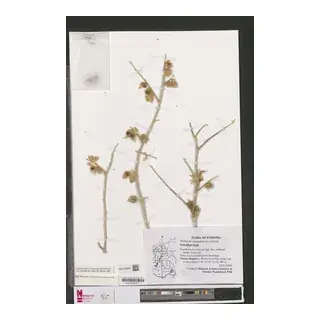
Ashwagandha
Withanolides modulate the HPA axis, reducing cortisol production. Also acts as a GABAergic anxiolytic and supports thyroid hormone synthesis. May raise DHEA-S and testosterone in men (studied mainly in male-specific trials).
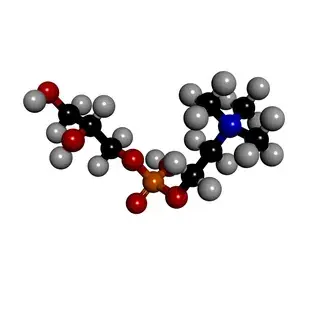
Alpha-GPC
Highly bioavailable choline donor that crosses the blood-brain barrier. Converted to acetylcholine, supporting memory encoding, attention, and muscle contraction via cholinergic transmission.
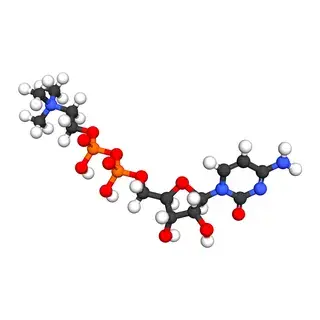
Citicoline
Citicoline is CDP-choline (cytidine 5'-diphosphocholine), the body's own intermediate in making phosphatidylcholine, the main phospholipid of nerve-cell membranes; it is sold as a supplement and prescribed as a drug in several European countries. Swallowed, it is split into two building blocks. When twelve adults took 500, 2,000 and 4,000 mg in random order, plasma choline rose with the dose and stayed raised for 5 to 10 hours, and plasma uridine rose by 70–90% after 500 mg and 100–120% after 2,000 mg, with no further gain at 4,000 mg; cytidine, the route seen in rats, was barely detectable (Wurtman 2000). So in people the working substrates are choline, which feeds both membrane synthesis and acetylcholine, and uridine, which can enter the brain and be converted into the nucleotides that membrane synthesis needs.
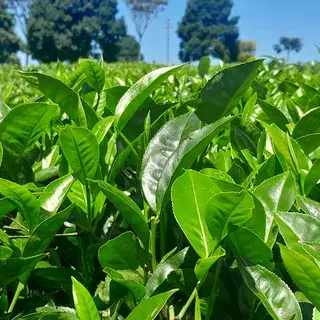
L-Theanine
L-theanine is an amino acid found almost only in tea leaves; a cup of black tea supplies roughly 20 mg (Nobre 2008). Given by mouth to rats it reaches the brain through the blood-brain barrier via a leucine-preferring transporter and raises serotonin and dopamine in several brain regions (Yokogoshi 1998). It is described as blocking glutamate's binding to its receptors, damping cortical excitation (Kimura 2007), and in people EEG recordings show more alpha-band activity — the relaxed-but-awake signature — even at 50 mg, a dose close to a strong cup of tea (Nobre 2008).
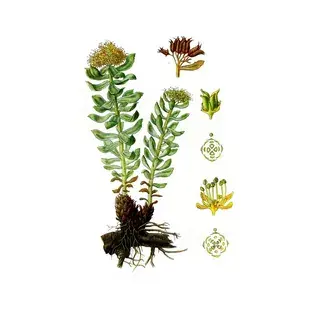
Rhodiola Rosea
Rosavins and salidroside modulate cortisol and stimulate AMPK pathway. Inhibits MAO-A/B enzymes in vitro, a proposed basis for raised serotonin and dopamine availability. Enhances stress-resistant protein expression (HSP70).
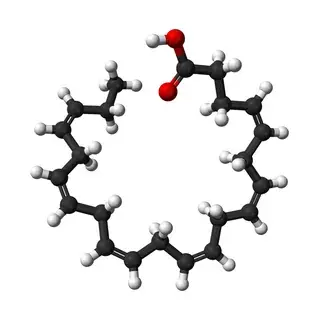
Omega-3 (EPA/DHA)
DHA integrates into neuronal membranes, enhancing fluidity and receptor function. EPA resolves neuroinflammation via SPMs (specialized pro-resolving mediators). Together they support synaptic plasticity.
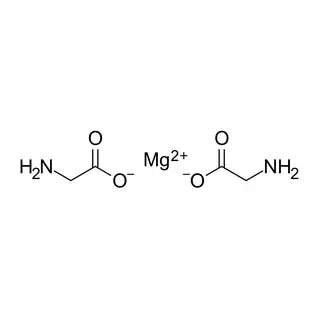
Magnesium Glycinate
Magnesium blocks NMDA receptors and activates GABA-A receptors, reducing neuronal excitability. Glycinate form offers high bioavailability and the amino acid glycine provides additional calming effects.
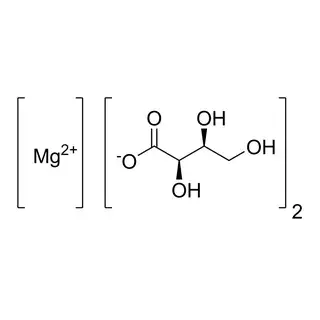
Magnesium L-Threonate
Magnesium L-threonate (MgT) is magnesium bound to threonic acid, a compound developed specifically to raise magnesium inside the brain. The evidence that it does so is in rats: MgT raised brain magnesium, increased synapse density in the hippocampus and improved learning, working memory and short- and long-term memory in young and aged animals (Slutsky 2010). In the one placebo-controlled human trial of the threonate compound on its own, the developers tracked red-blood-cell magnesium as their marker of uptake rather than measuring brain levels (Liu 2016). Each 2,000 mg supplies only about 144 mg of elemental magnesium, so it is a small magnesium dose in a large capsule count.
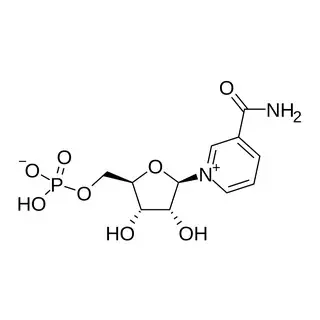
NMN (Nicotinamide Mononucleotide)
Direct precursor to NAD+ via the salvage pathway. Elevates NAD+ levels to activate sirtuins (SIRT1-7) for DNA repair, mitochondrial function, and epigenetic regulation of aging pathways.
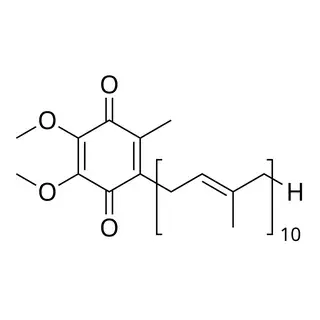
CoQ10 (Ubiquinone)
Essential electron carrier in the mitochondrial electron transport chain (Complex III). Also functions as a potent lipid-soluble antioxidant, protecting membranes from oxidative damage.
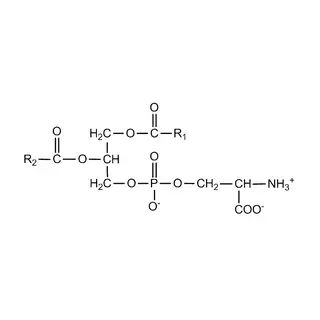
Phosphatidylserine
Phosphatidylserine (PS) is a phospholipid the brain needs for healthy nerve-cell membranes and myelin (Glade 2015). Major component of neuronal cell membranes; it is thought to modulate membrane fluidity and neurotransmitter release. Its cortisol effect is dose- and form-specific: a phosphatidic-acid-plus-PS complex blunted the hormonal response to a laboratory stress test at 400 mg but not at higher doses (Hellhammer 2004). Source matters for the evidence: the early positive memory trials used PS extracted from bovine brain cortex (BC-PS), while products sold today are made from soy or sunflower lecithin — soy PS is produced from soybean lecithin by an enzymatic reaction with L-serine (Kato-Kataoka 2010).

Saffron (Crocus sativus)
Crocin and safranal modulate serotonin reuptake and NMDA receptor activity. Anti-inflammatory via NF-kB inhibition. Clinically comparable to low-dose SSRIs for mild-to-moderate depression.

Apigenin
Apigenin is a flavone found in chamomile flowers and parsley. It was isolated from chamomile as a ligand of the brain's benzodiazepine receptor: it displaced the benzodiazepine flunitrazepam from its binding site (Ki 4 µM) without acting on muscarinic or adrenergic receptors, and in mice it reduced anxiety-like behaviour without sedation at benzodiazepine-like doses, with mild sedation only at ten times that dose (Viola 1995). It also inhibits CD38, the main NAD+-consuming enzyme, and raised NAD+ in cell culture and in obese mice (Escande 2013) — the reason it turns up in longevity stacks — though that has not been shown in people. Absorption is the catch: taken as the pure compound, metabolites equal to only about 0.5% of the dose appeared in urine over 24 hours, against 34% for the glycoside form in chamomile tea (Borges 2022).
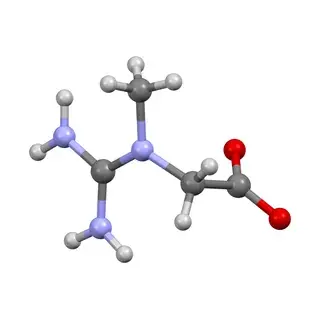
Creatine (Monohydrate)
Creatine, found mostly in meat, fish and other animal foods, combines with phosphate to form phosphocreatine, a reserve of high-energy phosphate that regenerates ATP quickly in muscle and brain cells; vegetarians are known to have lower muscle creatine (Benton 2011). Supplementation does reach the brain, but less than it reaches muscle: in six young volunteers, 20 g a day for four weeks raised average total brain creatine by 8.7%, ranging from 3.5% to 13.3% between people, and the change had reversed when they were re-measured at least three months after stopping (Dechent 1999). That extra energy buffer matters most when the brain is under strain — sleep deprivation is the best-tested case (McMorris 2006).
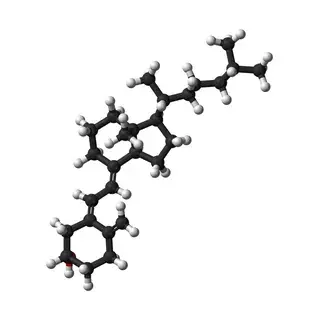
Vitamin D3 (Cholecalciferol)
Vitamin D3 (cholecalciferol) is the form most supplements use, and vitamin D status is judged by the blood marker 25-hydroxyvitamin D, 25(OH)D. In head-to-head trials D3 raised 25(OH)D more effectively than D2, although the advantage was clear with bolus doses and was lost with daily dosing (Tripkovic 2012). Binds to VDR receptors in the brain, modulating a broad range of genes involved in neuroplasticity, immune regulation, and calcium signaling. Laboratory work links it to serotonin synthesis through the TPH2 gene (Patrick & Ames 2014) — a proposed mechanism, not a demonstrated clinical effect.
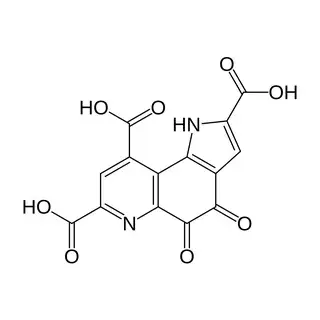
PQQ (Pyrroloquinoline Quinone)
Stimulates mitochondrial biogenesis via PGC-1α activation. Acts as a potent redox cofactor cycling 20,000+ times before degrading (vs ~4 for Vitamin C). Protects neurons from oxidative stress.
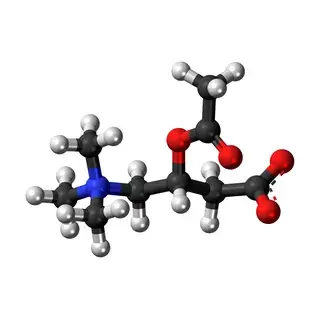
ALCAR (Acetyl-L-Carnitine)
Acetyl-L-carnitine (ALCAR) is carnitine carrying an acetyl group, and each half does a different job. The carnitine half transports long-chain fatty acids into mitochondria for beta-oxidation; the acetyl half can be used to maintain acetyl-CoA, the hub of cellular energy metabolism (Pettegrew 2000). Crosses the BBB and donates acetyl groups for acetylcholine synthesis. Reviews also describe effects on brain phospholipid metabolism, neurotrophic factors, synaptic structure and several neurotransmitter systems, most of it from laboratory work (Pettegrew 2000).
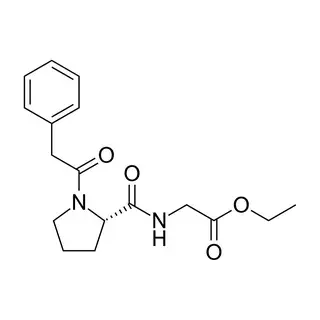
Noopept
Noopept (omberacetam, GVS-111; N-phenylacetyl-L-prolylglycine ethyl ester) is a synthetic dipeptide developed at Moscow's Zakusov Institute of Pharmacology as an analogue of piracetam, although its chemical structure is quite different from the racetams it is grouped with (Araj 2025). In rats it appears to work largely as a prodrug: an hour after injection the parent compound was undetectable in the brain, while cyclo-prolylglycine — identical to a peptide the brain makes itself — rose 2.5-fold (Gudasheva 1997). Rat studies also report anti-amnesic effects after oral doses of 0.5–10 mg/kg (Ostrovskaya 2001) and higher NGF and BDNF expression in the hippocampus (Ostrovskaya 2008). None of this mechanism work has been repeated in people.
Ready to combine them? Browse the curated stacks — the protocol pages cover when and why to pair these compounds.
Informational only — not medical advice. Consult a healthcare professional before starting any supplement, especially if pregnant, breastfeeding, or taking medication. Prices and product availability change and vary by region — check the seller's own page before buying.